We are a local pickup only nursery. Please select location at checkout.
Honey Petal Plants
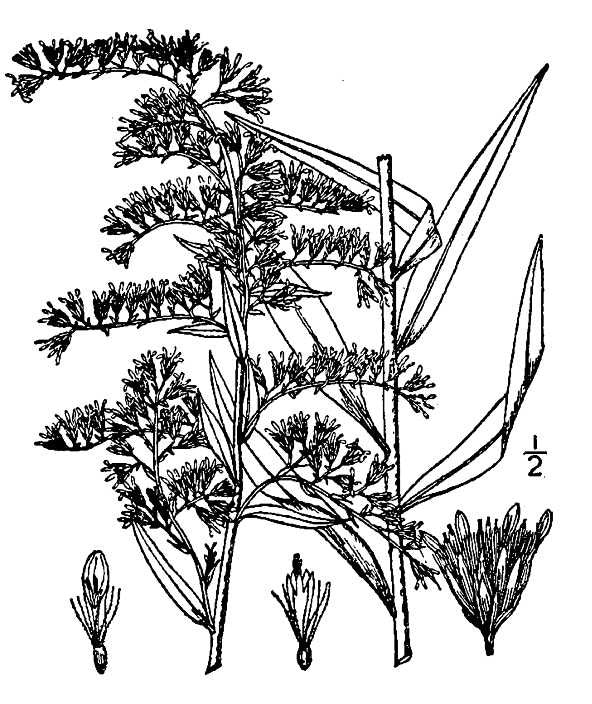
Solidago odora - Licorice Goldenrod
Solidago odora - Licorice Goldenrod
Couldn't load pickup availability
Sizes available: Landscape plug, 6.00 each or 10 for 48.00 mix and match okay
Basics: zones 4-9, 2-4' x 1-2', full sun to part shade, fluffy, yellow bloom held atop the scented foliage in late summer, medium to dry for moisture, drought tolerant once established, can grow in sandy and lean soils, clump-former, not a runner.
Common names: Licorice Goldenrod, Sweet Goldenrod, Anise-scented Goldenrod, Fragrant Goldenrod
Family: Asteraceae
Origin/Distribution: Found in eastern Texas to Florida and north to central New York and southern New Hampshire. Also present in Nova Scotia. According to Go Botany, this goldenrod is present in all New England states but Maine and is at the northernmost part of its range. Yet, it also occurs in Nova Scotia, so not sure why it wouldn't also occur in southern Maine, if not further north along the coast.
Habitat: Found in dry, sandy, open woods, often in association with pines, as well as in meadows and fields.
More: This is a "polite" goldenrod for the garden setting, as it is a clump-forming species. However, it will still seed around. The anise-scented leaves have been used medicinally and both the dried leaves and flowers can be used for tea. It is deer tolerant and makes a good cut flower.
Even more: Goldenrods are keystone species in our region, a top pollinator resource in the late season, and host plants for many insect larvae*. There are many different forms of goldenrods that can grow in various conditions. To know them is to love them.
Goldenrods have gotten bad publicity for causing allergies, however, they do not. The wind-pollinated ragweeds (Ambrosia species) that bloom at the same time, but are much less showy, are the cause of hay fever. Goldenrod pollen is large and sticky in order to adhere to visiting insects and therefore cannot become airborne.
*Here is a very general list of the insects that utilize our beautiful goldenrods: Butterflies, Moths, Beetles, Carpenter bees, Sweat bees, Plasterer bees, (The North Carolina Extension Gardeners Plant Toolbox has an extensive list of Goldenrod-supported specialized bees. Check it out!), Sphecid wasps, Vespid wasps, Tachnid flies, Flesh flies, Blow flies, Muscid flies, the Gall-formers such as Epiblema scudderiana, Asteromyia carbonifera, Gnorimoschema gallae solidaginis, and Procecidochares atra, all of which are native to Maine (such an interesting group - look for the galls in the late fall and early winter when they are easy to spot on the dried up stems).
Source: Van Berkum Nursery from seed collected in New England
Image credits: Van Berkum Nursery and Wikimedia Commons