We are a local pickup only nursery. Please select location at checkout.
Honey Petal Plants
Hypericum ascyron - Great St. Johnswort
Hypericum ascyron - Great St. Johnswort
Couldn't load pickup availability
Sizes available: #1 (Trade gallon)
Basics: zones 3-6, 2-5' x 1-3 ', full sun to part shade, cheerful, golden yellow blooms in mid summer, although it's native habitat is wetlands, it does not need this much moisture to do well, but does prefer a consistently moist, slightly acidic and nutritious soil.
Common names: Great St. Johnswort, Giant St. Johnswort, Common St. Johnswort
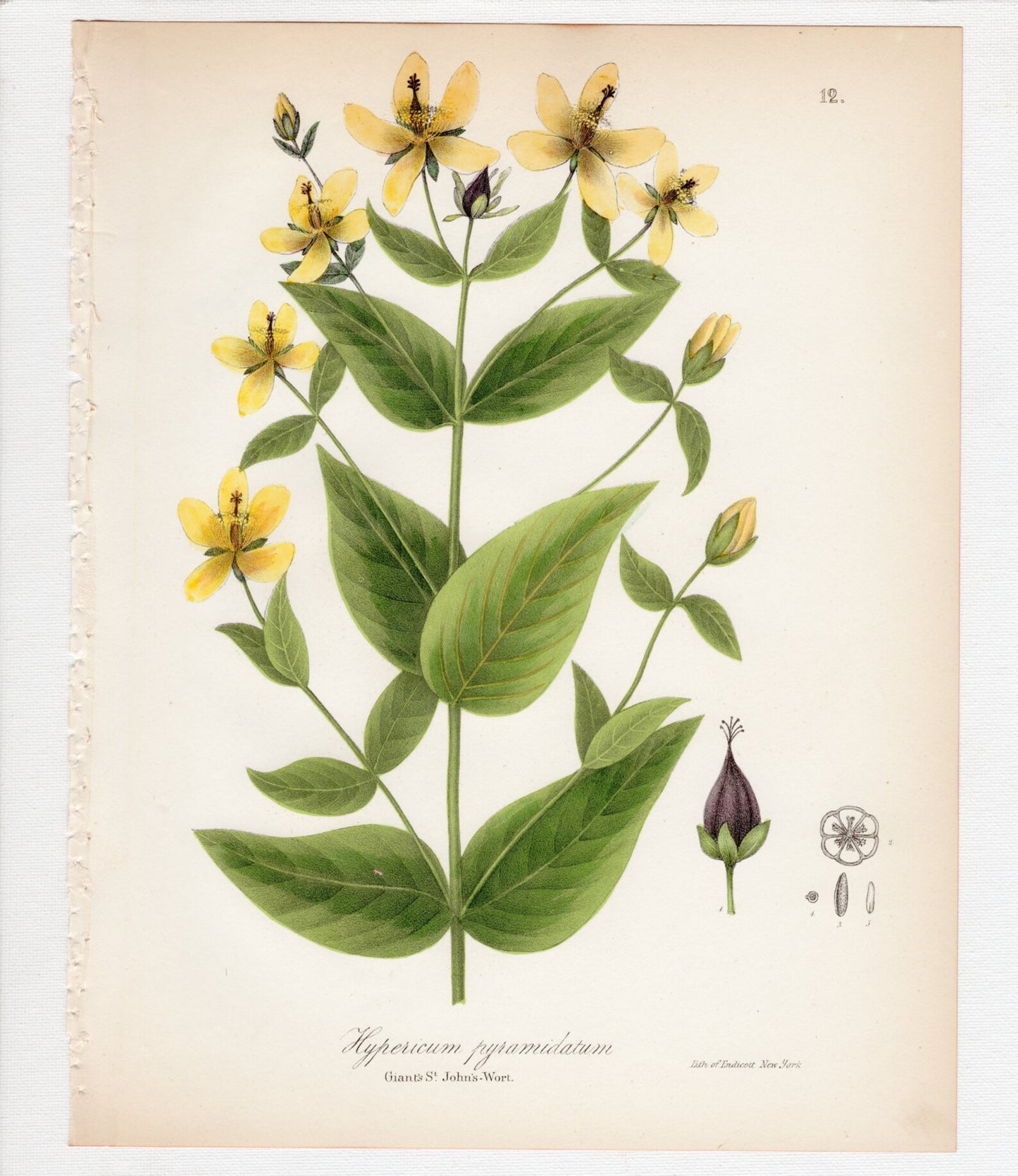
Synonym: Hypericum pyramidatum
Family: Hypericaceae (Clusiaceae)
Origin/Distribution: This plant is native to New England except for Rhode Island. And it is both rare and endangered in all of our region. Its range extends south into New Jersey and Pennsylvania and west to Indiana and parts of Kansas and Iowa. It is also native to eastern and central Asia. Native to northern Maine.
Habitat: Found in riparian forest, low places in fields, river and stream banks, marshes, lake shore, flood plain, wet thickets.
More: Hypericum ascyron is a prodigious pollen producer and the pollen is high in protein. This plant does not produce nectar. Bumblebees, Sweat Bees, Hoverflies, and Pollen Beetles will be frequent visitors to the flowers. The Yellow-banded Bumblebee, Bombus terricola, and the Half Black Bumblebee, B. vagans are Maine bee species you will find on this plant. It is a larval host for the Gray Half-spot Moth, Nedra ramosula, which is a specialist on Hypericum species and native to Maine, as well as for Eupithecia miserulata, the Common Pug Moth, Melanchra assimilis, the Black Arches Moth, and Hyppa xylinoides, the Common Hyppa Moth, Maine natives all. Prior to blooming this will be an attractive, leafy presence in the garden. Has been used medicinally. Hypericums can cause photo-dermatitis in some people. Deer resistant and moderately salt tolerant. May self-seed. Missouri Botanical Garden Plant Finder says this is a good cut flower fresh or dried.
Source: sown at Honey Petal Plants with seed from Toadshade Wildflower Farm
Image credits: Image from A Flora of the State of New York by John Torrey, 1843, H.pyramidatum is a synonym of H. ascyron