We are a local pickup only nursery. Please select location at checkout.
Honey Petal Plants
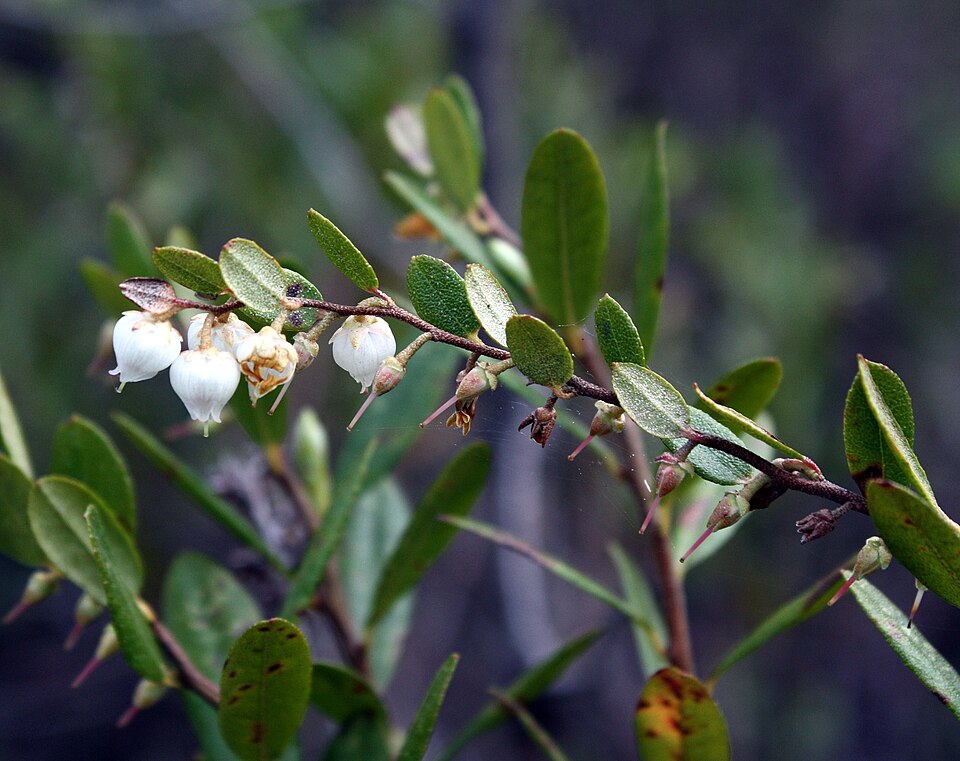
Chamaedaphne calyculata - Leatherleaf
Chamaedaphne calyculata - Leatherleaf
Couldn't load pickup availability
Sizes available: #1 (Trade gallon)
Basics: zones 3-7, 1-3' (occasionally up to 5') x 1-3' (can spread to form a low thicket), full sun to part sun, white bell-shaped flowers bloom in early spring, foliage is evergreen and turns purplish in winter, prefers wet feet, acidic soil, and does not like drying out.
Common names: Leatherleaf, Cassandra
Family: Ericaceae
Origin/Distribution: This shrub is native to northeastern Europe and northern Asia, continuing into North America via Alaska, then south to British Columbia and east across Canada to Labrador and then south again down the Atlantic coast into the mountains of North Carolina. Native to Maine.
Habitat: bog, fen, pond edge, acidic swales and swamps, wet meadow, vernal pond, AND also occurs in open alpine communities (I imagine there needs to be some sort of seep or low depression that holds moisture).
More: According to my research, this is a slow-growing and possibly short-lived shrub. But I wonder. It also sounds potentially tough and resilient. It prefers acidic muck and will languish without adequate moisture and sunshine. However, in boggy wetlands with the right pH it can persists and slowly expand radially into a colony. May be browsed, especially during winter, by deer or moose. Offers nesting cover to several duck species. Leatherleaf is an early establisher in sphagnum peat bogs that are forming and often gets shaded out as Tamarack and Black Spruce become established. As far as I am concerned these potential challenges make it all the more interesting to grow. Maybe you feel the same. I am inclined to try it in a pot without drainage holes in a soil mix high in peat. Has been used medicinally but contains toxic compounds so proceed with caution and process properly.
Source: New England Wetland Plants
Image credits: Wikimedia Commons