We are a local pickup only nursery. Please select location at checkout.
Honey Petal Plants
Arisaema triphyllum - Jack-in-the-Pulpit
Arisaema triphyllum - Jack-in-the-Pulpit
Couldn't load pickup availability
Sizes available: 3" pot, two plants per pot, 2nd year, small, but sturdy, (these young plants are pretty tough, but they are working hard to form their corms, so be gentle with them), limited availability
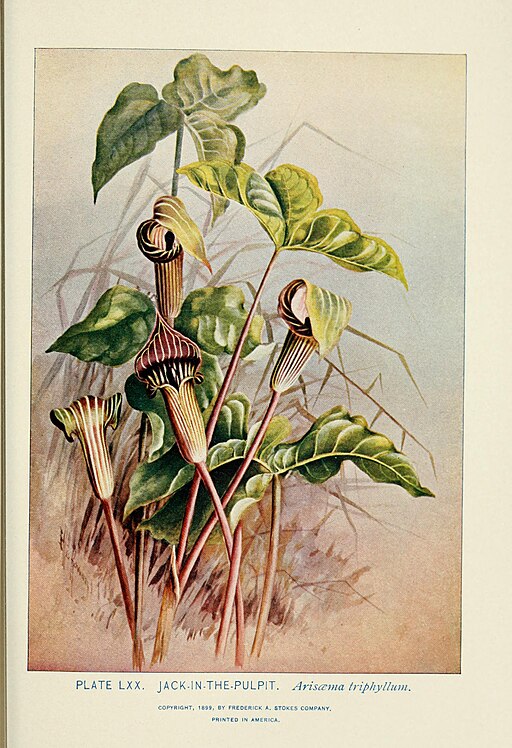
Basics: zones 3-9, 2' (in Maine) x 1', dappled sun to part shade to full shade, unusual green and maroon striped urn-shaped bract with a pointed hood that conceals a spadix, the mid to late spring bloom leads to bright red berries. Likes moist, rich woodland soils, does well under spring inundation and consistently wet edges. However, in the most shade it is adaptable to somewhat drier conditions.
Common names: Jack-in-the-Pulpit, Indian Turnip, Brown Dragon, Bog Onion
Family: Araceae
Origin/Distribution: Found in Nova Scotia west to Manitoba and eastern North Dakota, south to Florida, and west to east Texas and eastern Kansas. Native to Maine.
Habitat: moist deciduous woods, marsh or swamp edge
More: This lovely, classic spring woodlander is a very interesting plant both botanically and culturally. In many areas of its range, the root has been used medicinally. It has also been used for divination and as a poison (Meskwaki Nation). All parts of the fresh plant contain calcium oxalate which can be very irritating. Proceed with caution. According to the Wikipedia entry the corm is edible, cooked, and can be dried and ground into flour, however this plant is toxic unless prepared properly. The larvae of Heterothrips arisaemae, which is a parasitic thrip, are a specialist on Jack-in-the-Pulpit and are native to Maine. Turkeys and Wood Thrush can eat a small quantity of the fruit. The plant is pollinated by small flies (fungus gnats) in the Sciaridae and Mycetophilidae families.
Even more: Technically this plant is Arisaema triphyllum sensu-stricto, "sensu-stricto" referring to the species. This differentiates it from the three (or four depending on which botanist you talk to) other closely related species. As a group, these species are referred to as the A. t. sensu-lato or the A. t. complex. If you would like to read more about the intricate (some might say mind-numbing) process involved with the naming of plants, the Wikipedia entry for this one is for you. Arisaemas change sex as they mature (dichogamy) from mostly male flowers to a combination of male and female to all female.
Source: currently available in 3" pots from Green Mountain Natives or seed-grown at Honey Petal Plants with seed from Prairie Moon Nursery
Image credits: All images from Wikimedia Commons including the botanical illustration by Mrs. Ellis Rowan from A Guide to the Wildflowers by Alice Lounsberry