We are a local pickup only nursery. Please select location at checkout.
Honey Petal Plants
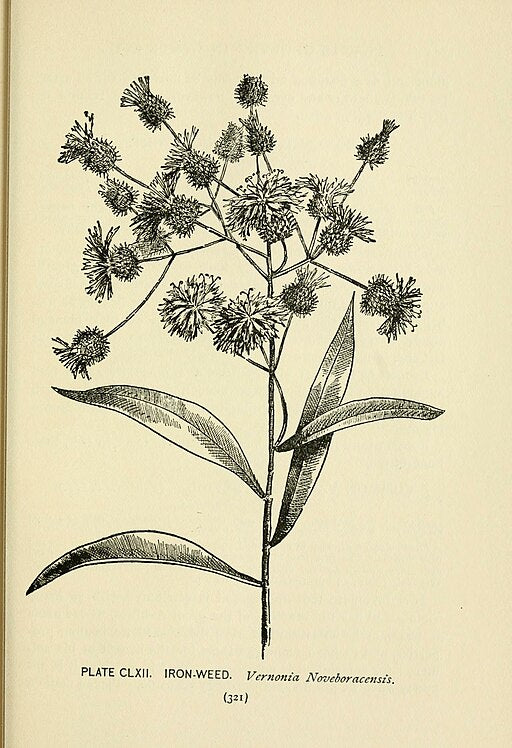
Vernonia noveboracensis - New York Ironweed
Vernonia noveboracensis - New York Ironweed
Couldn't load pickup availability
Sizes available: TBD
Basics: zones 5-9, 40-80" x 36", sun to part sun, the bloom is a medium to dark purple in late summer to early fall. Prefers fertile, moist soil but is tolerant of both seasonal inundation and some drought once established. Can grown on both acidic or calcareous soils.
Common names: New York Ironweed, Vein-leaf Hawkweed, Tall Ironweed
Family: Asteraceae
Origin/Distribution: Occurs from Massachusetts to Ohio and south to Georgia and Mississippi with isolated populations in New Mexico and Oklahoma.
Habitat: Found in damp spots such as pastures and roadside ditches and low areas in moist meadows, but also grows on well-drained substrates on the lime-y side. So quite adaptable.
More: This is a good source of both nectar and seeds and is deer resistant. The Denticulate Longhorn Bee, Melissodes denticulatus, is a specialist on Ironweeds. It has been sited as far north as midcoast Maine (iNaturalist), which is just out of its normal range. If this bee is migrating northwards (versus a single bee perhaps hitch-hiking on a nursery grown Vernonia and surviving for a while and getting photographed), planting Ironweeds, although not native to Maine, would be helpful to it. V. noveboracensis has been used medicinally.
Even more: Can be pruned by early July to bloom at a reduced height. Many late bloomers like Asters, Joe Pyes, and Vernonias take well to this regime. If desired, by selectively cutting back portions of a stand, you can reduce the blocky, wall-like edifice of large perennials and elongate the bloom time further into the fall. If you do this by July 4th weekend, the late bloomers still have time to develop flowers before the end of the season. In Britain this is called the "Chelsea Chop" because, in their climate, it coincides with the Chelsea Flower Show.
Source: plugs from New Moon Nursery, grown on at Honey Petal Plants
Image credits: Jelitto Staudensamen GmbH, illustration from Wikimedia Commons