We are a local pickup only nursery. Please select location at checkout.
Honey Petal Plants
Sporobolus heterolepis - Prairie Dropseed
Sporobolus heterolepis - Prairie Dropseed
Couldn't load pickup availability
Sizes available: HPP #1, coming in 2026
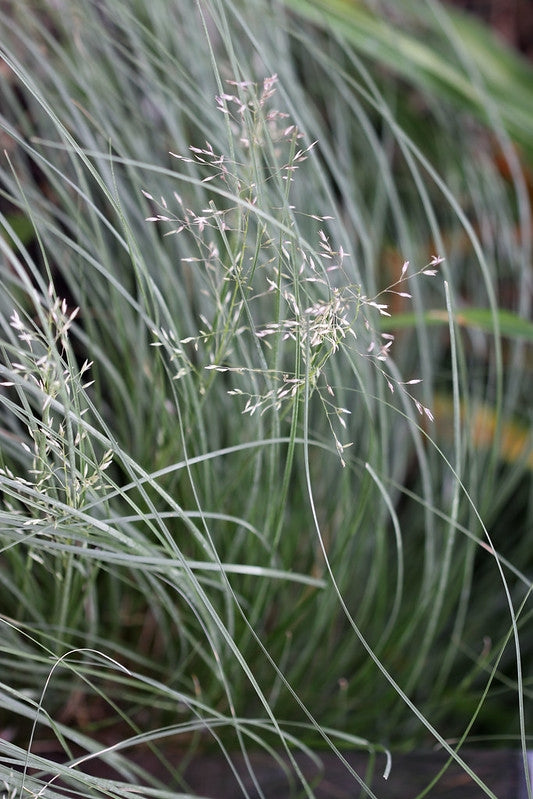
Basics: zones 3-9, 24-36" x 24", full sun to part shade, airy, pink-tinted seedheads create a frothy presence that evolves to a bronzier tone in the late season. Grows in a medium moisture to dry, rocky, well-drained soil and is drought tolerant once established.and can also take seasonal inundation as long as it is brief.
Common names: Prairie Dropseed, Northern Dropseed
Family: Poaceae
Origin/Distribution: Found from Saskatchewan south to Colorado, and east into Quebec and south to North Carolina, Kentucky, and east Texas. Although this grass is more common in the midwest, it is native to central Massachusetts and a small part of Connecticut. This plant is in decline in Connecticut, Pennsylvania, Maryland, Kentucky, and North Carolina (all of which are part of its native range).
Habitat: Occurs in open, well-drained areas such as ledges, slopes, ridges, and balds. Also occurs in open woodland, on railroad beds, and in drier prairies.
More: This is an attractive, clump-forming, warm season grass that is slow to wake up and takes awhile to get established. Cut it back in early spring prior to new growth. Looks great massed as a ground cover and its fibrous root system is good for holding soil on a sunny bank. I can imagine a vignette of this with Liatris, Echinacea, and Verbena bonariensis popping up in groups amongst it with some Allium 'Millennium' at the front edges and some tall sedums thrown in for contrast. Add an underplanting of spring bulbs and you have a beautiful planting with all-season "interest".
It would also look spectacular as one component of an all grass border. When Prairie Dropseed occurs in its Great Plains habitat, it is found associated with Little and Big Bluestem, Switchgrass, and Indian grass, all of which are native to Maine and available at the nursery. Other companions in that midwest environment are Amorpha canescens, Phlox paniculata, and Ratibida pinnata and I usually offer these as well.
Even more: This grass is wind-pollinated, not a particularly prolific self-sower, and is juglone tolerant. Ground-foraging birds and small mammals will enjoy the seeds and the grassy clumps provide shelter for all manner of creatures in summer and winter. Seeds are fragrant when mature and the scent has been described as "coriander, licorice, popcorn, or sunflower seeds" according to Wisconsin Horticulture. This is a nutritious forage grass for livestock and the seeds have been ground to use as flour. The root has been used medicinally.
Source: young plants from Prairie Nursery grown on at Honey Petal Plants
Image credits: Image of form from Wikimedia Commons; image of inflorescence courtesy of Andrey Zharkikh via Creative Commons through the North Carolina Extension Gardener Plant Toolbox.