We are a local pickup only nursery. Please select location at checkout.
Honey Petal Plants
Schizachyrium scoparium - Little Bluestem
Schizachyrium scoparium - Little Bluestem
Couldn't load pickup availability
Sizes available: #1 (Trade gallon), also available in 3/4 quart, please contact nursery
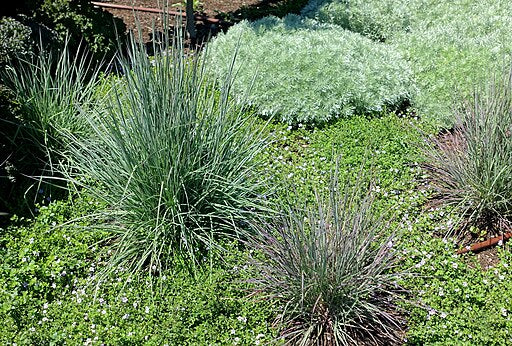
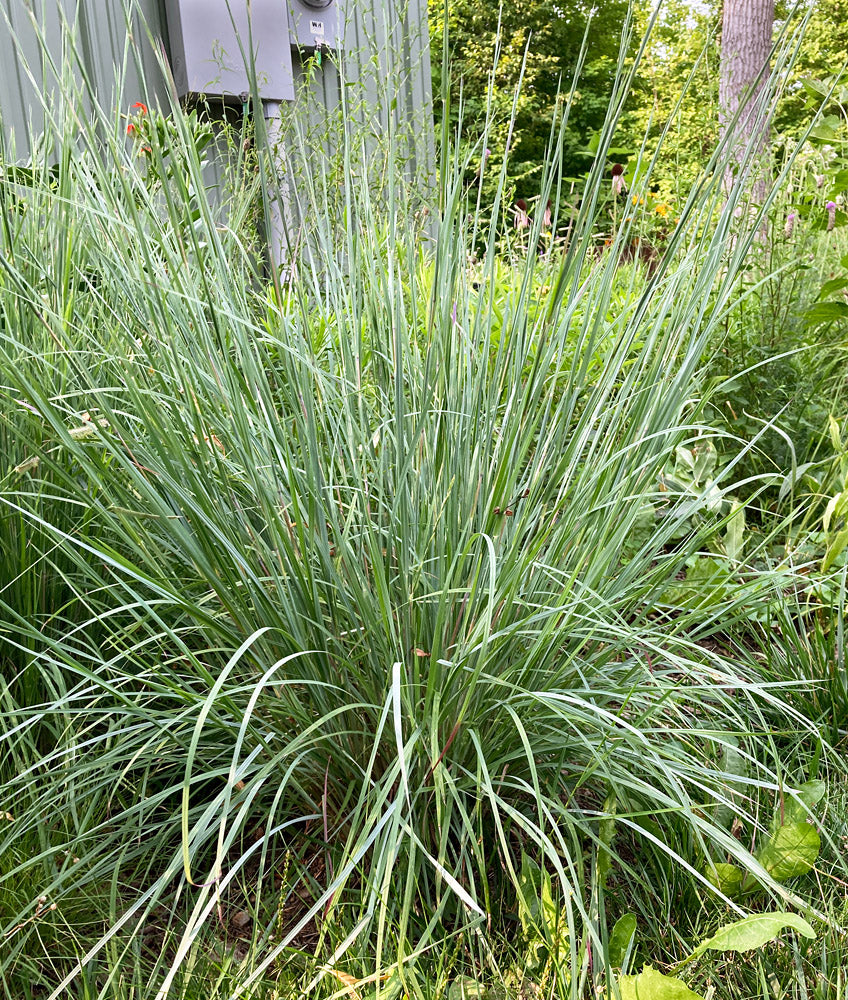
Basics: zones 3-9, 18-30" x 18-24", full sun, the slender flower spikes emerges with a slight purple tinge that matures to tan in late fall and look beautiful en masse, the foliage is blue-green into fall and shifts from warm orange-bronze to tan as the plant senesces. Likes lean soil and is drought tolerant once established.
Common names: Little Bluestem
Family: Poaceae
Origin/Distribution: almost every contiguous state in the U.S. plus northern Mexico, native to Maine
Habitat: sunny areas with dry, well-drained, lean soil: woodland edge, hillside, slope, prairie, plain, meadow, pasture, savanna, upland. In its natural habitats, it is often found growing with Andropogon gerardii, Sorghastrum nutans and Panicum virgatum as part of the tall grass prairie ecology. All of these grasses are also native to Maine.
More: A warm season grass and therefore slow to wake up. Small birds and mammals will enjoy the seeds. Provides nesting material as well as over-wintering habitat. Female bumblebees nest at the base of bunch grasses such as Little Bluestem. It is the larval host for numerous Skipper species including the Indian Skipper, Hesperia sassacus, and the Crossline Skipper, Polites origenes which are both native to Maine. Numerous other insects feed on it, too. The Perennial Plant Association chose this grass as its perennial plant of the year in 2022. This is an excellent ingredient for a summer into fall container planting. Has been used medicinally. The fibers have been processed and used as an insulating liner in footwear.
Grasses are important habitat for native bees who use them for nesting material as well as for hibernation and nursery structures. Do not cut your grasses all the way to the ground. If you must, cut back to about knee height and leave the old stems in the clump permanently. The new growth will cover them over in no time and they will eventually rot away. Many bees have a lifecycle longer than one year and need dependable, consistent habitat to complete their journey. This cutting regime is applicable to other perennials with hollow stems, as well: cut back to knee height. It will look as intentional as cutting lower, but offer much richer habitat.
Source: Landscape plugs from New Moon, grown on at Honey Petal Plants, or from Van Berkum Nursery
Image credits: Wikimedia Commons (image taken at the Coastal Maine Botanical Garden); Frank Meuschke of Shelterwood Gardens
