We are a local pickup only nursery. Please select location at checkout.
Honey Petal Plants
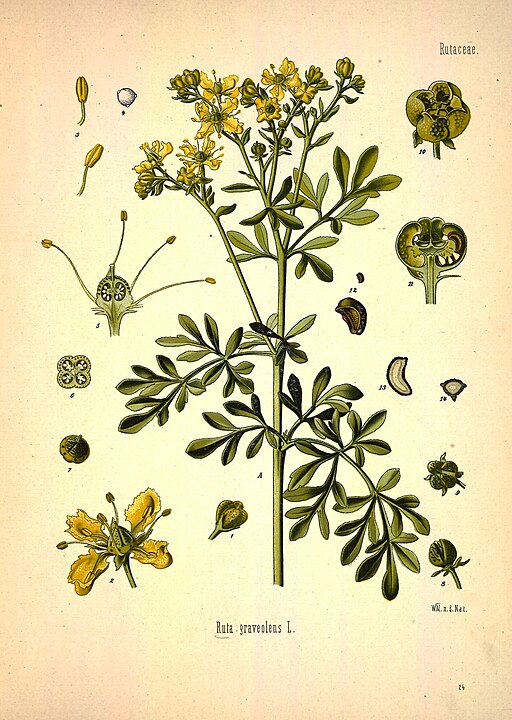
Ruta graveolens - Rue
Ruta graveolens - Rue
Couldn't load pickup availability
Sizes available: #1 (Trade gallon), coming soon
Basics: zones 4-8 (probably warmer), 2-3' x 2-3', full to part sun, the flowers bloom in yellow clusters over lacy, aromatic, blue-green foliage in mid-late summer. Prefers moderate fertility and moisture and is drought tolerant once established. Does not like winter wet.
Common names: Common Rue, Herb-of-Grace, Garden Rue, Ruda, Arruda
Family: Rutaceae
Origin/Distribution: Native to the Mediterranean in southeastern Europe and the Balkan Peninsula. Has been introduced and is naturalizing in parts of Vermont, Connecticut, and Rhode Island.
Habitat: Found on roadsides, disturbed ground and drier meadows and fields.
More: Considered a subshrub, Ruta graveolens can winter over in our climate with good drainage, but will die back significantly. I would hold off pruning back dead structure until spring, and then cut to buds just above old wood. This herb is highly ornamental and has potential in a larger, sunny rock garden, where it will appreciate good winter drainage. It has been used medicinally in many cultures, but is also potentially toxic and may cause contact dermatitis in some. Pregnant women should not use this herb. The plant has also been used (sparingly) as a flavoring agent. The leaves have been used as both an insect repellant and in incense. Bookmarks made of Rue can deter infestations. Rue is believed to ward off evil in several cultures and it is a sign of purity in others. The section on symbolism in its Wikipedia entry is fascinating and cites numerous human associations with Rue. It is a larval host for the Swallowtail clan and is deer resistant.
Source: Van Berkum Nursery
Image credits: both the image of the leaves and the botanical illustration are from Wikimedia Commons