We are a local pickup only nursery. Please select location at checkout.
Honey Petal Plants
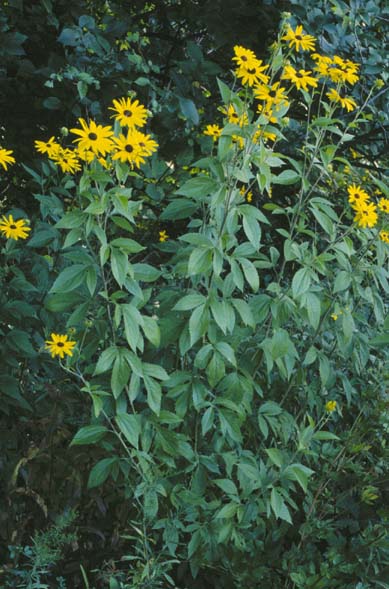
Rudbeckia subtomentosa - Sweet Coneflower
Rudbeckia subtomentosa - Sweet Coneflower
Couldn't load pickup availability
Sizes available: TBD, coming in 2026
Basics: zones 3-8, 3-5' x 1-2', full sun to light shade, the flower has a dark central cone surrounded by golden rays and is held high above the basal leaves in late summer to early fall, likes medium/wet to medium/dry soils. Has some drought tolerance.
Common names: Sweet Coneflower, Sweet Black-eyed Susan
Family: Asteraceae
Origin/Distribution: Native from Indiana south to Louisiana and west to Wisconsin.
Habitat: Found in damper, open low spots in prairies and fields, roadside ditches, and woodland edges. Also occurs along streams and creeks.
More: This Rudbeckia is a true perennial and longer lived than others in the genus. The leaves are sweetly fragrant when crushed and the plant is a larval host for the Silvery Checkerspot, Chlosyne nycteis, which is native to Maine, but rare, and is listed as a "species of special concern". It is also a larval host for the caterpillar of the Wavy-lined Emerald, Synchlora aerata albolineata. Native to Maine, and as a caterpillar is called the Camouflaged Looper, these trickster inchworms disguise themselves by attaching little outfits of plant debris to their backs. The blooms are good for wildflower type arrangements and the dried stems and seedheads hold well in the late season garden.
Source: seedlings from Marpa Farm in Richmond, ME, grown on at Honey Petal Plants
Image credits: Wikimedia Commons