We are a local pickup only nursery. Please select location at checkout.
Honey Petal Plants
Lindera benzoin - Spicebush
Lindera benzoin - Spicebush
Couldn't load pickup availability
Sizes available: #1 (Trade gallon), recently up-potted, unsexed (this plant is dioecious)
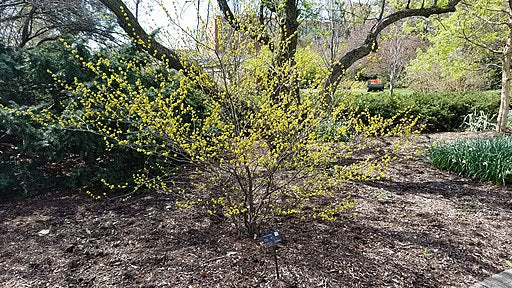
Basics: zones 4-8, 8-12' x 8-12', full sun (with consistent moisture) to part shade (preferred), the demure, greenish-yellow blooms appear along the leafless branches in early to mid-spring, the male has larger flowers, but the female sets fruit once pollinated, the fruit (drupes) ripen to bright red in late summer to early fall. Prefers moist, well-drained, nutritious, acidic to basic soils.
Common names: Spicebush, Spicewood, Northern Spicebush, Benjamin Bush
Family: Lauraceae
Origin/Distribution: Occurs from east Texas, Oklahoma, and Kansas to the Atlantic seaboard up into southern Maine and Ontario. Native to the southern tip of Maine.
Habitat: Occurs in the understory of rich, moist woodlands, at bog and swamp margins, low shady spots, stream edges, ravines.
More: Spicebush is dioecious. Both the male and female plants are good-looking and the male has larger flowers, but if you desire berries, you will need both a male and female. The leaves turn a pretty yellow in the fall if the shrub is planted in enough light. This is an understory plant and can grow in almost closed-canopy settings, but will be happier with indirect light or perhaps morning sun if kept moist. Think wood's edge or dappled shade. The fragrant leaves, bark, berries, twigs, and oil from L. benzoin have been used medicinally. The leaves are used in teas and the dried berries in sachets and as a spice (peppery, aromatic). Can be pruned as more of a small tree, but is naturally thicket-forming over time if in a happy spot. Will sprout from the roots if damaged (by tree fall or excessive browse, for example). Good springtime branch for floral arrangements.
Even More: Spicebush is a larval host for the Spicebush Swallowtail butterfly, Papilio troilus, which is at the northern end of its range in Maine and is designated as a Species of Special Concern here. Numerous birds enjoy the berries, and it is a particular favorite of the Hermit Thrush, Catharus guttatus, which is common in Maine. Deer, rabbits, and raccoons will browse this plant and it needs to be protected until it has established. Opossums, Didelphus virginianus, also browse Spicebush. These sweet, slow-moving, nocturnal marsupials are not native to Maine in the traditional sense, but they have expanded their natural range into Maine as the climate has warmed. They are not so well adapted to our coldest months, however, so we need to help them out with food sources as well as shelter.
Source: Cold Stream Farm
Image credits: Wikimedia Commons