We are a local pickup only nursery. Please select location at checkout.
Honey Petal Plants
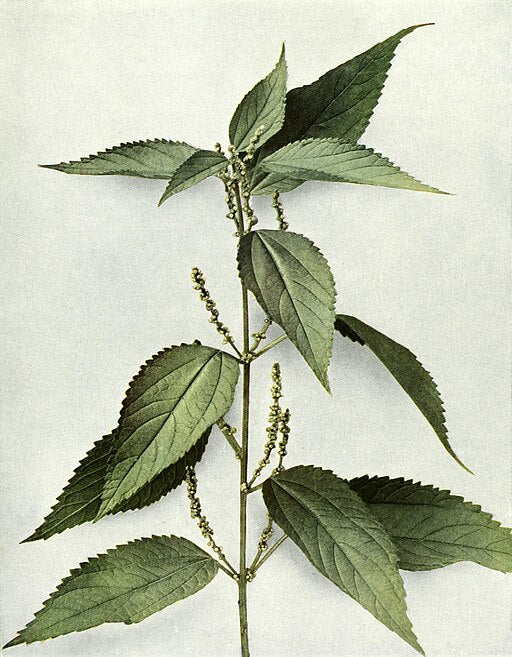
Boehmeria cylindrica - Small-spiked False Nettle
Boehmeria cylindrica - Small-spiked False Nettle
Couldn't load pickup availability
Sizes available: TBD, coming in 2026
Basics: zones 3-10, 36" (up to 60" in a sunny, wet spot) x 18-24", full sun - with enough moisture, to part shade, very tiny but numerous flowers during summer, likes a nutritious, moisture-retentive soil and can tolerate periodic inundation, but does not need this to thrive.
Common names: Small-spiked False Nettle, Swamp Nettle
Family: Urticaceae
Origin/Distribution: From Ontario and Quebec south to Florida, west to Texas, and north to Minnesota. Native to Maine
Habitat: damp woods, swamp, moist shade, wet areas (but does not require wetlands in order to grow)
More: This is an excellent and over-looked native plant that serves as a larval host powerhouse and incredibly useful understory participant. Although in the nettle family, it is non-stinging and it is also deer resistant. It is quite variable in its attributes: sometimes dioecious, sometimes monoecious, sometimes square-stemmed, sometimes round-stemmed. Although its natural habitats are quite damp, as long as it has moisture retentive soil and some shade, you will be able to make it happy. Takes well to pruning, which means it can be encouraged to be bushy and lower-growing, making it an excellent ground cover of attractive green leafiness. And you will want to grow a lot of those leaves in order to feed all of the caterpillars it hosts. For example, the Question Mark, Polygonia interrogationis, the Eastern Comma, Polygonia comma, and the Red Admiral, Vanessa atalanta are all butterflies that occur in Maine and lay their eggs on Boehmeria cylindrica. The Red Admiral caterpillars also pupate on the plant in nests they make from the leaves, so it's possible to observe their entire life cycle. The Gall Midge, Neolasioptera boehmeriae, and the Flowing-line Hypena Moth, Hypena manalis, both native to Maine, also use this plant.
Source: sown at Honey Petal Plants with seed from Toadshade Wildflower Farm
Image credits: Wikimedia Commons