We are a local pickup only nursery. Please select location at checkout.
Honey Petal Plants
Asclepias syriaca - Common Milkweed
Asclepias syriaca - Common Milkweed
Couldn't load pickup availability
Sizes available: #1 (Trade gallon)
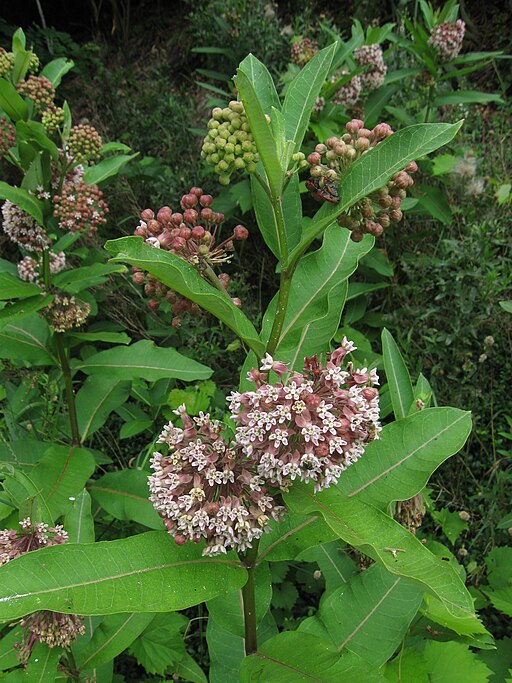
Basics: zone 3-9, 24-36" x 9-12", full sun to part sun, very pale dusty pink bloom in mid-summer, prefers moist, well-drained, calcareous soil, but very adaptable and tolerant of both drought and clay.
Common names: Common Milkweed, Butterfly Flower, Silkweed, Silky Swallow-wort, Virginia Silkweed
Family: Apocynaceae
Origin/Distribution: North America, specifically southern Canada and the United States east of the Rockies with the exception of the driest regions. This plant is invasive in Oregon and parts of Europe. It is present in 23 countries where it is not native. However, it is native to Maine.
Habitat: damp fields, ditches, deciduous woodland openings, in low waste places and disturbed sites
More: Larval host for Danaus plexippus (Monarch Butterfly) and Euchaetes egle (Milkweed Tussock Moth). Monarch reproduction peaks in the late summer in the northeastern U.S. so cut back some of your milkweed plants in late June or early July to provide fresh, tender foliage for the caterpillars. More than 450 species enjoy this plant as it is a nectar powerhouse, including beetles, ants, bees, wasps, and butterflies. Particular associations include Tetraopes tetrophthalmus (Red Milkweed Beetle), Oncopeltus fasciatus (Large Milkweed Bug), and Lygaeus kalmii (Small Milkweed Bug). You will have aphids on your milkweeds unless you have been particularly blessed by the gardening fairies, including the non-native Aphis nerii (Oleander Aphid). Don't worry. The Ladybugs will show up and your plants will survive. Deer resistant.
Late to emerge in spring, fragrant flowers, strong grower best in larger gardens, meadows or fields. The bast fiber of milkweed has been used in the manufacture of cordage and textiles. Its yields are as good as hemp and its quality is as good as flax. Young shoots, leaves, and flower buds are edible raw and the plant has medicinal properties, but proceed with caution as the plant is also toxic. The floss from milkweed seeds has been harvested for pillows, coat linings, comforters, and in WWII for life vests.
Source: Van Berkum Nursery from seed collected in New England
Image credit: Wikimedia Commons